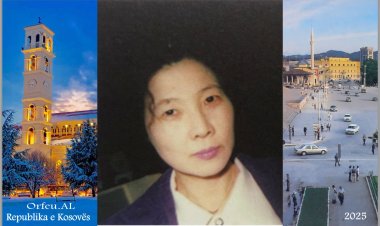


Yeon Myung-ji - Poetry Cycle (English and Korean)
 Moderator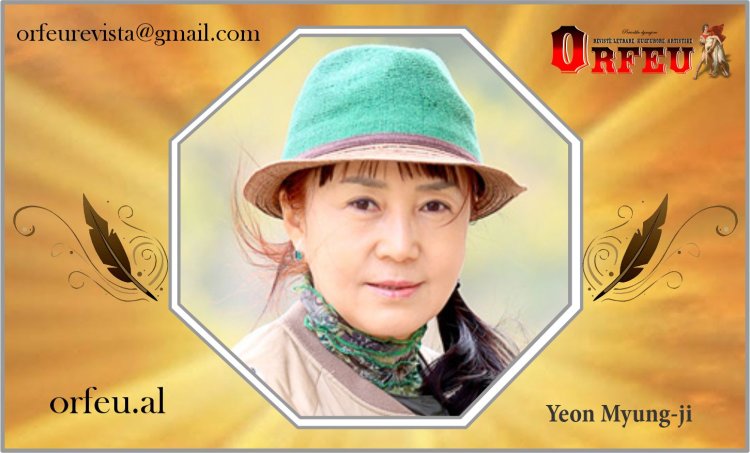
Sitting Like an Apple
When drawing a charcoal sketch with deep breaths,
There must be things that do not move.
For instance, even when the red sunlight tickles and teases,
The apple remains seated, demurely.
The model occasionally turns her right cheek toward the light
To borrow the glow of the sun-ripened red.
To an apple, sunlight is Red.
And Red occasionally commands the apple to adjust its posture.
When drawing a charcoal sketch with deep breaths,
There must be things that do not move.
For instance, even when the red sunlight tickles and teases,
The apple remains seated, demurely.
The model occasionally turns her right cheek toward the light
To borrow the glow of the sun-ripened red.
To an apple, sunlight is Red.
And Red occasionally commands the apple to adjust its posture.
While braiding spring and summer alternately,
Even as her twin pigtails grow long,
The apple remains seated in the original posture of its first blossom.
Even on days she wants to spin round and round,
The sunlight tells her to stay seated, just like an apple.
As she transcribes the direction of the winds
Blowing from the distant Aran Islands, the apple’s belly grows stout.
The model, possessing not even a hand mirror, turns her left cheek
To heighten the saturation of her crimson hue.
No sunlight is ever satisfied with a single apple.
The stem constantly tries to drop toward private thoughts,
And the apple, captured in Cézanne’s composition since spring,
Can only exhale the scent of wine once late autumn arrives.
When the sunlight, pipe in mouth, crosses its arms,
When someone abruptly plucks the seated apple-
Only then will it become a soul apart from the sun.
사과처럼 앉아있어
연명지
호흡이 깊은 우모로 그림을 그릴 때는
호흡이 깊은 우모로 그림을 그릴 때는
움직여서는 안 되는 것들이 있어야 해
가령, 간질간질 사과를 간질이는 빨간 햇살에도
사과는 얌전하게 앉아 있지
모델은 가끔 햇살 쪽으로 오른뺨을 돌려
빨갛게 익은 햇살을 빌려와야 해
사과에게 햇살은 빨강
빨강은 가끔, 사과를 고쳐 앉으라고 주문하지.
사과는 봄과 여름을 번갈아 땋고 양 갈래 머리가 길어지는 동안에도
사과는 맨 처음 꽃의 자세로 앉아 있지. 핑그르, 돌고 싶은 날에도 햇살은 사과처럼 앉아 있으라고 했지
멀리 아란섬에서 불어오는 풍향을 받아 적다보면
사과의 배는 불룩해지고 손거울도 없는 모델은 왼쪽 뺨을 돌려
빨갛게 색의 채도를 높여가지
한 알의 사과로 만족하는 햇살은 없어
꼭지는 자꾸 사적인 생각 쪽으로 떨어지려 하고
봄부터 세잔의 구도構圖에 붙잡힌 사과는 늦가을이 되어서야 술 냄새를 풍길 수 있지
파이프를 문 햇살이 팔짱을 낄 때
누군가 앉아있는 사과를 뚝, 딸 때
햇살과 별개의 관계가 되겠구나
Blooming Drawer
Floral dresses longing for the world outside the drawer
exchange spring through each other’s scent,
murmuring of the days when evening primroses bloomed.
exchange spring through each other’s scent,
murmuring of the days when evening primroses bloomed.
Yesterday’s tears, having passed through a season,
are neatly folded away-though their colors fade, a flower is still a flower.
Now the blossoms wear different faces, yet it is still their season.
The flowered pajamas that once made her pale face smile,
certain flowers holding stains within-
she lifts a red lipstick and looks into the mirror.
Those lost on a spring day
grow to resemble one another, stitched to different skies,
and the blooming and falling fill both eyes to the brim.
At dawn, when flowers turn over in their sleep,
an old azalea slips out of the drawer
and rustles, shedding tears.
Three or four mothers cannot leave the drawer
and each spring they bud again.
Flowers reborn, shedding the name of mother-
for mother, in her truest form, is the root of flowers,
dazzling alone each spring.
꽃피는 서랍
연명지
서랍 밖이 그리운 꽃무늬 옷들 서로의 냄새로 봄을 주고받으며
달맞이꽃 피던 시절을 중얼거린다
한 계절을 지나온 어제의 울음이 차곡차곡 접혀 빛이 바래도
꽃은 꽃이다
지금 꽃은 다른 얼굴을 하고도 꽃시절이다
그녀의 하얀 얼굴을 웃게 하던 꽃무늬 잠옷, 얼룩을 품은 어
떤 꽃들
빨강색 립스틱을 들고 거울을 본다
봄날에 잃어버린 사람들 서로 다른 하늘에 잇대어 닮아가고
피고 지는 것들이 두 눈 가득 차오른다
꽃들이 돌아눕는 새벽 몰래 서랍을 빠져나간 낡은 진달래꽃
이 바스락 눈물을 쏟는다 서너 명의 엄마가 서랍을 떠나지 못
하고 봄마다 꽃망울을 피워낸다
엄마를 벗고 부활한 꽃들, 본래 엄마는 꽃의 뿌리여서
연명지
서랍 밖이 그리운 꽃무늬 옷들 서로의 냄새로 봄을 주고받으며
달맞이꽃 피던 시절을 중얼거린다
한 계절을 지나온 어제의 울음이 차곡차곡 접혀 빛이 바래도
꽃은 꽃이다
지금 꽃은 다른 얼굴을 하고도 꽃시절이다
그녀의 하얀 얼굴을 웃게 하던 꽃무늬 잠옷, 얼룩을 품은 어
떤 꽃들
빨강색 립스틱을 들고 거울을 본다
봄날에 잃어버린 사람들 서로 다른 하늘에 잇대어 닮아가고
피고 지는 것들이 두 눈 가득 차오른다
꽃들이 돌아눕는 새벽 몰래 서랍을 빠져나간 낡은 진달래꽃
이 바스락 눈물을 쏟는다 서너 명의 엄마가 서랍을 떠나지 못
하고 봄마다 꽃망울을 피워낸다
엄마를 벗고 부활한 꽃들, 본래 엄마는 꽃의 뿌리여서
봄마다 홀로 눈부시다
Knowing Nothing at All About a Rat’s Horn
Knowing Nothing at All About a Rat’s Horn
“Knowing next to nothing,” people say
And I find those words so naturally true.
When I think of a rat, I think of a half-moon
Carved into a wall, and a tail of night
Scurrying in and out of the dark.
Opening that half-moon, hiding within,
Then seeking prey during the hours of loathing-
A rat.
In every building’s dimmest corner, a half-moon hangs.
In fairways, the rat is always busy,
Gnawing through water paths or severing ropes.
Inside that half-moon, shameful cheeks
Press their red “rat-horns” against one another.
A cat, enamored by someone’s secrets,
Is drawn to the deepening rumors,
Its whiskers twitching with a forever-fishy scent.
We know all too well about the rat,
Yet we know nothing of its horns.
Still, hearing that sharp squeak-squeak,
We imagine the sound itself is a pointed horn.
When a rat measures size,
It tenses its whiskers, using them as a ruler or protractor.
The size of the half-moons hidden throughout the house
Is the very span measured by those whiskers.
The moon the rat loves most is November.
Though all beasts go barefoot, the rat alone has red, bare feet.
It is only natural to know next to nothing of a rat's horn.
So, fold your lips neatly
And set them high upon the storehouse shelf.
쥐뿔도 모르면서
연명지
쥐뿔도 모르면서 , 하는 말
너무 당연한 말이라는 생각이 든다.
쥐를 생각하면 벽에다 반달을 뚫어놓고
캄캄하게 드나드는 밤의 꼬리가 생각난다.
반달을 열고 그 속에서 숨어 있다가
혐오의 시간대에 먹이를 찾는 쥐
건물마다 으슥한 곳에는 다 반달이 떠 있다.
쥐는 동화 속에서 물길을 뚫거나
줄을 끊는 장면으로 바쁘다.
반달 속에는 부끄러운 뺨들이
서로 빨갛게 쥐뿔을 맞대고 있다.
고양이는 누군가의 비밀을 좋아해서
깊어지는 소문에 끌려
입가에는 늘 비릿한 수염이 쫑긋거린다.
우리는 쥐에 대해선 너무 잘 알고
다만 쥐뿔에 대해선 모른다.
그러다가도 찍찍 거리는 소리를 들으면
그 소리가 마치 뾰족한 뿔 같다는 생각을 하는 것이다.
쥐는 크기를 잴 때
수염에 힘을 주고 자나 각도기로 사용한다.
집안 곳곳에 숨어있는 반달의 크기는
쥐의 수염이 재놓은 크기다.
쥐가 좋아하는 달은 11월
짐승들은 다 맨발이지만 쥐는 유독 빨간 맨발.
쥐뿔도 모르는 것은 당연한 일
그러니, 당신들 입술이나 개켜서
너무 당연한 말이라는 생각이 든다.
쥐를 생각하면 벽에다 반달을 뚫어놓고
캄캄하게 드나드는 밤의 꼬리가 생각난다.
반달을 열고 그 속에서 숨어 있다가
혐오의 시간대에 먹이를 찾는 쥐
건물마다 으슥한 곳에는 다 반달이 떠 있다.
쥐는 동화 속에서 물길을 뚫거나
줄을 끊는 장면으로 바쁘다.
반달 속에는 부끄러운 뺨들이
서로 빨갛게 쥐뿔을 맞대고 있다.
고양이는 누군가의 비밀을 좋아해서
깊어지는 소문에 끌려
입가에는 늘 비릿한 수염이 쫑긋거린다.
우리는 쥐에 대해선 너무 잘 알고
다만 쥐뿔에 대해선 모른다.
그러다가도 찍찍 거리는 소리를 들으면
그 소리가 마치 뾰족한 뿔 같다는 생각을 하는 것이다.
쥐는 크기를 잴 때
수염에 힘을 주고 자나 각도기로 사용한다.
집안 곳곳에 숨어있는 반달의 크기는
쥐의 수염이 재놓은 크기다.
쥐가 좋아하는 달은 11월
짐승들은 다 맨발이지만 쥐는 유독 빨간 맨발.
쥐뿔도 모르는 것은 당연한 일
그러니, 당신들 입술이나 개켜서
고방 시렁에 얹어두시길.
……………………………….
Prepared for publication by Angela Kosta