

Sim Woo Ki, Poetic Cycle
 Moderator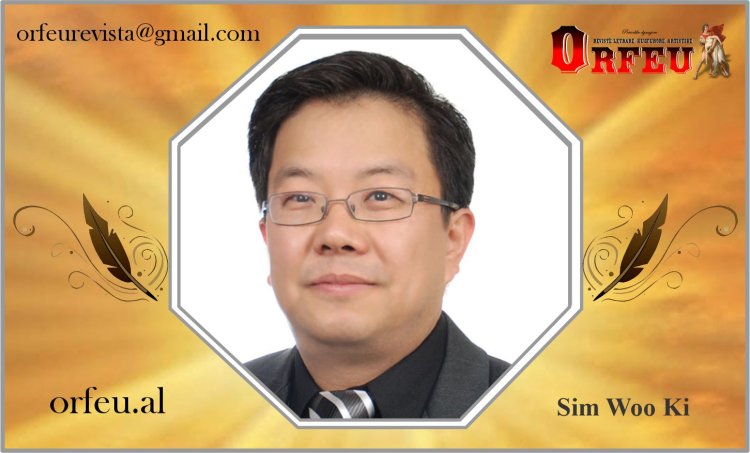
The Brook
Sim Woo Ki
Sim Woo Ki
It looked shallow—
crossing,
I slipped,
I slipped,
both ankles caught.
실개울
심우기
너무 얕아 보여
내를 건너다, 그만
두 발목을 빠뜨리고 말았다
The Stake
Sim Woo Ki
Sim Woo Ki
For a young black goat,
strength is the stake.
strength is the stake.
Even when horns sprout
and its coat grows coarse,
it cannot cross the tether tied to the stake.
and its coat grows coarse,
it cannot cross the tether tied to the stake.
With powerful hind legs
and broad shoulders,
it still cannot pull it out—
the stake is God.
and broad shoulders,
it still cannot pull it out—
the stake is God.
Though it knows
it is a losing battle,
stubbornness—
that is a goat’s way.
it is a losing battle,
stubbornness—
that is a goat’s way.
It circles back, round and round,
even if the rope winds tight around its neck
until it can no longer move,
even if the rope winds tight around its neck
until it can no longer move,
it goes as far as it can.
For a goat whose world
is only the length of the rope,
the stake is the center of the world.
is only the length of the rope,
the stake is the center of the world.
It is power.
Still,
the goat goes round and round.
the goat goes round and round.
말뚝
어린 흑염소에겐 힘은 말뚝이다
뿔이 나고 털이 억세져도
말뚝의 끈을 넘지 못한다
강한 뒷다리와 넓은 어깨로도
뽑지 못하는 말뚝은 신
늘 지는 싸움인 줄 알지만
고집은 염소고집
돌아와 빙글빙글 돌다
제 목을 감아 옴짝달싹 못하게 될지라도
갈 데까지 가고 본다
밧줄의 길이만큼이 세상인 염소에게
말뚝은 세상의 중심이다
권력이다
그래도 염소는 뱅글뱅글 돈다
Black Man
Sim Woo Ki
Sim Woo Ki
Because the skin was black,
there was an ignorance
that believed even the blood would be black.
there was an ignorance
that believed even the blood would be black.
The gaze that did not retreat
even before the red muzzle—
we have long misunderstood it,
hiding behind the name Africa.
even before the red muzzle—
we have long misunderstood it,
hiding behind the name Africa.
Descriptions of thick lips and heavy hair
were, in truth,
cowardly adjectives
summoned to conceal the invader’s fear—
this we know only now.
were, in truth,
cowardly adjectives
summoned to conceal the invader’s fear—
this we know only now.
Before a language we could not understand,
before an unfamiliar laughter,
we always stood closer to guns
than to understanding.
before an unfamiliar laughter,
we always stood closer to guns
than to understanding.
When sunlight slips
across skin like black velvet,
even that praise—“its sheen”—
was a metaphor we had stolen.
across skin like black velvet,
even that praise—“its sheen”—
was a metaphor we had stolen.
We said only the teeth and palms were white,
that clapping made the primal rhythm—
but in truth,
it was not a place untouched by civilization,
but where arrogant civilization had stalled.
that clapping made the primal rhythm—
but in truth,
it was not a place untouched by civilization,
but where arrogant civilization had stalled.
The fathers of fathers—
time flowing above them,
an erased chronicle, unrecorded.
time flowing above them,
an erased chronicle, unrecorded.
Calling the scent of sweat and soil “savage,”
we hid, with effort,
the stench of blood
that came from our own side.
we hid, with effort,
the stench of blood
that came from our own side.
Those whose hearts were darker than skin
set fire to forests and raised their guns;
God was silent,
the forest became a table,
and people returned to the earth
before beasts did.
set fire to forests and raised their guns;
God was silent,
the forest became a table,
and people returned to the earth
before beasts did.
What was called a scream,
what was written as a howl—
it was the oldest tactic,
reading the trajectory of bullets
with the whole body.
what was written as a howl—
it was the oldest tactic,
reading the trajectory of bullets
with the whole body.
When barefoot warriors drew circles of blood and danced,
they were not calling God
they were calling
the names that must survive.
they were not calling God
they were calling
the names that must survive.
Africa, Africa—
this repetition is not incantation
but a desperate calling
not to be erased.
this repetition is not incantation
but a desperate calling
not to be erased.
When the earth trembles
like the ankle of an elephant,
when history charges
like a rhinoceros,
those who stand, precarious,
between god and beast—
they are not savages,
but those who first chose to be human.
like the ankle of an elephant,
when history charges
like a rhinoceros,
those who stand, precarious,
between god and beast—
they are not savages,
but those who first chose to be human.
When poisoned arrows are loosed at invaders,
when broad-chested women dance,
it is not a cry of victory,
but a solemn gesture
postponing their own funerals.
when broad-chested women dance,
it is not a cry of victory,
but a solemn gesture
postponing their own funerals.
I still speak of Africa,
but perhaps
I am only tracing, at last,
the shadow
of the darkness within me.
but perhaps
I am only tracing, at last,
the shadow
of the darkness within me.
블랙맨
피부가 검으니
피조차 검을 것이라 믿어온 무지(無知)가 있었다
붉은 총구 앞에서도 물러서지 않던 그 눈빛을
우리는 오래도록 오해해 왔다,
아프리카라는 이름 뒤에 숨어
털이 많고 입술이 두텁다는 묘사는
사실 침입자의 두려움을 감추기 위해 동원된
비겁한 형용사였음을 이제야 안다
알아들을 수 없는 언어와
낯선 웃음 앞에서 우리는 늘 이해보다
총에 더 가까이 서 있었다
검은 비로드 같은 피부 위로 햇살이 미끄러질 때
그 '윤기'라는 찬사조차
우리가 훔쳐온 비유였음을 고백한다
하얀 것은 이빨과 손바닥뿐이라며
박수로 태초의 리듬을 만든다고 말했지만
사실 그것은 문명이 닿지 않은 곳이 아니라
오만한 문명이 멈춰 선 자리였다
아버지의 아버지, 그 위로 흐르는 시간은
기록되지 못한 채 지워진 연대기
땀과 흙의 체취를 야만이라 부르며
내 쪽에서 흐르는 피비린내를 애써 숨겼다
피부보다 더 시커먼 마음을 가진 자들이
숲에 불을 놓고 총을 들 때
신은 침묵했고 숲은 밥상이 되었으며
사람은 짐승보다 먼저 흙으로 돌아갔다
괴성이라 불린 소리, 울부짖음이라 적힌 목소리
그것은 날아오는 탄환의 궤적을
온몸으로 읽어내는 가장 오래된 전술이었다
맨발의 전사들이 피의 원을 그리며 춤출 때
그들은 신을 부른 것이 아니라
서로의 살아남을 이름을 불렀을 뿐이다
아프리카, 아프리카 이 반복은 주술이 아니라
지워지지 않기 위한 처절한 호명(呼名)
코끼리의 발목처럼 땅이 진동하고
역사가 코뿔소처럼 돌진해 올 때
신과 동물의 경계에 위태롭게 선 이들은
야만이 아니라 가장 먼저 인간이기를 선택한 존재들
침입자를 향해 독화살을 날리고
가슴 큰 여자들이 춤을 출 때
그것은 승리의 환호가 아니라
자신의 장례를 잠시 미루는 비장한 몸짓이었다
나는 아직도 아프리카를 말하고 있지만
사실은 내가 가진 검은 마음의 그늘을
겨우 더듬고 있는지도 모른다
피부가 검으니
피조차 검을 것이라 믿어온 무지(無知)가 있었다
붉은 총구 앞에서도 물러서지 않던 그 눈빛을
우리는 오래도록 오해해 왔다,
아프리카라는 이름 뒤에 숨어
털이 많고 입술이 두텁다는 묘사는
사실 침입자의 두려움을 감추기 위해 동원된
비겁한 형용사였음을 이제야 안다
알아들을 수 없는 언어와
낯선 웃음 앞에서 우리는 늘 이해보다
총에 더 가까이 서 있었다
검은 비로드 같은 피부 위로 햇살이 미끄러질 때
그 '윤기'라는 찬사조차
우리가 훔쳐온 비유였음을 고백한다
하얀 것은 이빨과 손바닥뿐이라며
박수로 태초의 리듬을 만든다고 말했지만
사실 그것은 문명이 닿지 않은 곳이 아니라
오만한 문명이 멈춰 선 자리였다
아버지의 아버지, 그 위로 흐르는 시간은
기록되지 못한 채 지워진 연대기
땀과 흙의 체취를 야만이라 부르며
내 쪽에서 흐르는 피비린내를 애써 숨겼다
피부보다 더 시커먼 마음을 가진 자들이
숲에 불을 놓고 총을 들 때
신은 침묵했고 숲은 밥상이 되었으며
사람은 짐승보다 먼저 흙으로 돌아갔다
괴성이라 불린 소리, 울부짖음이라 적힌 목소리
그것은 날아오는 탄환의 궤적을
온몸으로 읽어내는 가장 오래된 전술이었다
맨발의 전사들이 피의 원을 그리며 춤출 때
그들은 신을 부른 것이 아니라
서로의 살아남을 이름을 불렀을 뿐이다
아프리카, 아프리카 이 반복은 주술이 아니라
지워지지 않기 위한 처절한 호명(呼名)
코끼리의 발목처럼 땅이 진동하고
역사가 코뿔소처럼 돌진해 올 때
신과 동물의 경계에 위태롭게 선 이들은
야만이 아니라 가장 먼저 인간이기를 선택한 존재들
침입자를 향해 독화살을 날리고
가슴 큰 여자들이 춤을 출 때
그것은 승리의 환호가 아니라
자신의 장례를 잠시 미루는 비장한 몸짓이었다
나는 아직도 아프리카를 말하고 있지만
사실은 내가 가진 검은 마음의 그늘을
겨우 더듬고 있는지도 모른다
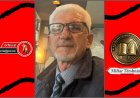
Biography of Poet Sim Wooki
Poet Sim Wooki was born on July 4, 1964, in Hamyeol, Jeollabuk-do, South Korea. He completed his doctoral coursework in English Literature at Gachon University in 2013.
His literary debut came in 2011 with the publication of his work in Poetry Literature. In 2012, he was awarded a creative writing grant from the Seoul Foundation for Arts and Culture. In 2013, he published his first poetry collection, Thirteen Ways of Seeing a Black Flower, which was selected as a Sejong Outstanding Book in 2014.
In 2016, he expanded his literary reach with the publication of his poetry collection in English, Read My Love, You. Over the years, he has authored several additional works, including his second collection Secret Envoy, as well as Ice Pillar of Fireand The Day the First Snow Falls, the latter co-authored.
In addition to his writing, Sim Wooki has contributed to academia by teaching at Kyungwon University, Inha Technical College, and Gachon University.
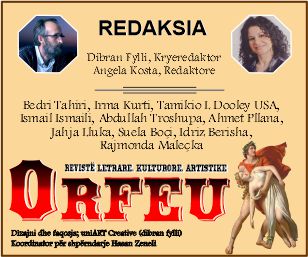
Prepared for publication by Angela Kosta