

Saidova Madinabonu
 Moderator
The Burnt Potatoes
If you ask me what the sweetest taste of childhood is, I would answer without hesitation: potatoes baked in hot ashes. The stews my mother cooked at home could never compete with those half-cooked potatoes we ate in the fields with just a pinch of salt. Whenever I remember those days, the first thing that comes to mind is the aroma of the hot bread my mother baked in the clay oven. The smell was so wonderful that it spread throughout the entire neighborhood. My younger sister and I would circle around the oven like little butterflies.
That day, my mother was preparing to bake bread. As usual, my sister and I made a plan to bake potatoes in the warm ashes of the oven. It was our little “secret” tradition. While my mother was kneading the dough, we quietly went to the cellar and picked out the nicest, roundest potatoes. Naturally, I chose the biggest ones for myself.
My sister volunteered to stand guard while I carefully dug into the ashes and buried the potatoes. As my mother placed the loaves into the oven, we waited excitedly for our potatoes to cook.
After the bread was ready, my mother closed the oven and went inside. Seizing the opportunity, my sister and I opened it. We began digging through the hot ashes in search of our potatoes.
“Are they ready? Are they ready?” my sister kept asking impatiently.
Covered in ash, I continued searching. Then suddenly... I noticed my mother’s oven paddle, which she used for baking bread, lying near one side of the oven. It had been slightly burned!
The color drained from my face with fear. If my mother saw it, she would surely scold us. My sister looked as if she were about to burst into tears.
Panicking, we hid the paddle. Then we finally dug out the potatoes. Though they were only half-cooked, they tasted like the most delicious potatoes in the world to us. With ash-covered faces and blackened hands, we returned home.
Thankfully, we hadn’t set the bakery shed on fire.
When we entered the house, our mother was arranging the bread in the kitchen. She looked at us and paused. I quickly hid my hands behind my back. Yet she said nothing and did not scold us. She simply said:
“Go wash yourselves. We’re about to eat.”
That evening, after she had finished all her baking, my mother came over to me. In her hand was the burnt paddle. I lowered my head and pretended to be busy with my homework. I was terrified. But she quietly held up the paddle and smiled.
At that moment, I understood that mothers can sense not only our little “crimes,” but also the fear hidden deep in our hearts-without a single word being spoken.
That burnt paddle became a symbol of our sweet childhood and my mother’s endless love.
As for me, I had been sitting there thinking, “Our secret hasn’t been discovered.” But in reality, my mother wasn’t smiling at the burnt paddle at all. She was smiling at the thick black streak of coal dust sitting right on the tip of my nose.
And yes, my sister had even argued with me afterward. She was convinced I must have told our mother and kept asking angrily, “How else could she have found out?”
But that day I learned something important: no matter how clever we think we are, the ashes on our noses will always betray us in the end.
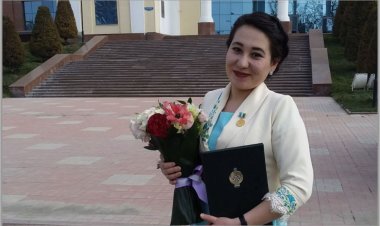
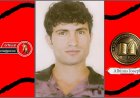
Saidova Madinabonu - Uzbekistan
Saidova Madinabonu was born on August 6, 2005, in Melikhoja Mahalla, Kattakurgan District, Samarkand Region, Uzbekistan.
She is currently a third-year student in the Uzbek Language and Literature program at the Tashkent International University of Financial Management and Technologies.