

Impressions on the first episode of the film “Customs of the Mountains”
 Moderator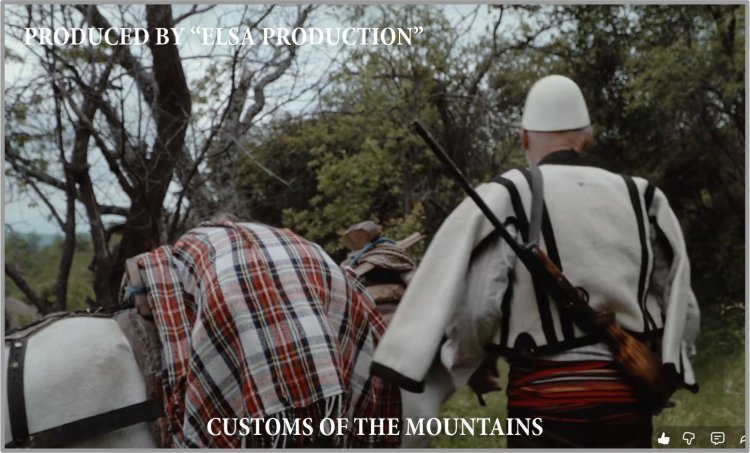
IMPRESSIONS ON THE FIRST EPISODE OF THE FILM “CUSTOMS OF THE MOUNTAINS,” WITH SCENARIST DIBRAN FYLLI WHO PLAYS MAIN ROLE AND PRODUCED BY “ELSA PRODUCTION”

The film “Customs of the Mountains,” with Dibran Fylli as scenarist and produced by “Elsa Production,” addresses one of the deepest wounds of traditional Albanian society: blood feuds and the consequences brought about by the blind application of customs. The first episode is built around a tragic event, which begins with an innocent love and ends in murder, threats of revenge, and the danger of a new chain of bloodshed. Through its characters and their conflicts, the film conveys a powerful message about the necessity of forgiveness, reconciliation, and changing the mindsets that nourish hatred.
The episode’s main character is Zuk Alia, portrayed by the director himself, Dibran Fylli. Zuka is presented as a man strongly attached to customs and to the traditional concept of family honor. He has a daughter of marriageable age, a wife, and an adult son, Sinan. His family’s life unfolds in a society where reputation, public opinion, and male authority carry great weight. When Bilal Luka’s son approaches Zuka’s daughter, this is not seen as an expression of love, but as a violation of the family’s honor.
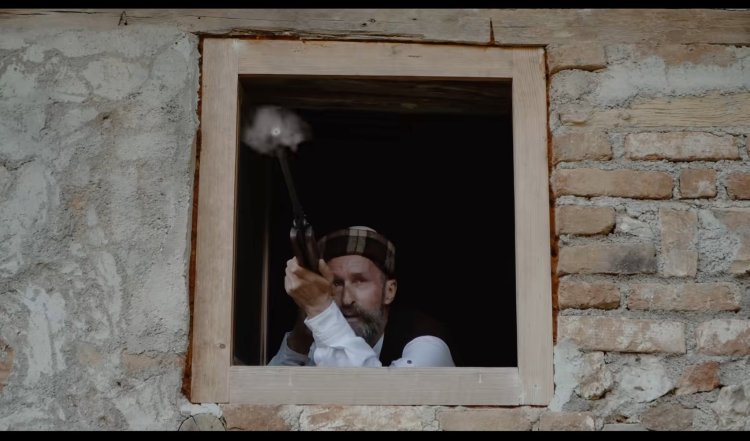
The killing of Bilal’s son is the most painful moment of the episode. Zuka, convinced he is protecting his family's honor, commits an irreversible act. He refuses to listen to his daughter, his wife, or his son, who understand that he has made a terrible mistake. Their reaction shows a conflict within the family between obedience to the head of the household and human conscience. The daughter and her mother feel the tragedy deeply, while Sinan understands that this murder will bring consequences not only for Bilal’s family, but also for their own.
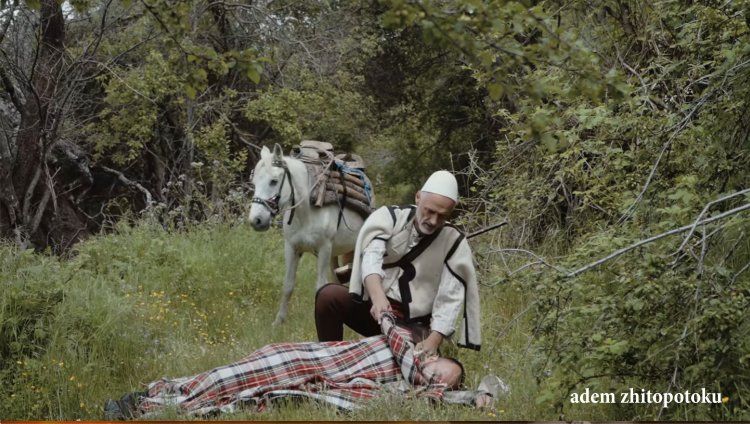
The film also conveys the value of moral responsibility. Zuka justifies his action through custom, but the film confronts him with the concrete consequences of that justification. No custom can be more important than human life. No concept of honor can justify murder. On the contrary, true honor is connected to maturity, justice, respect, and the ability not to surrender to anger.
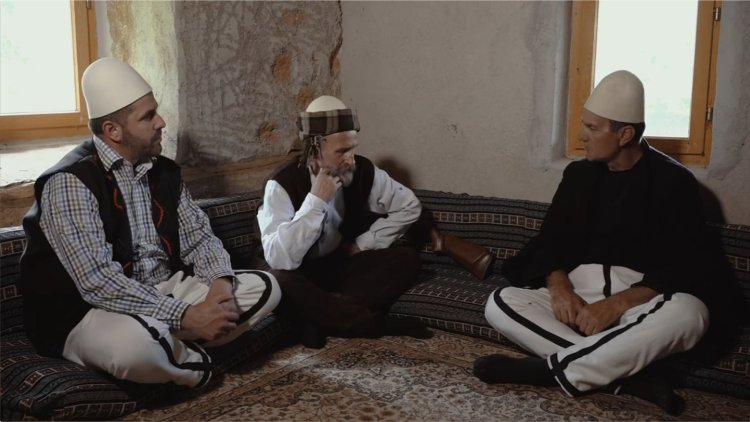
The role of the men of the clan and of the village elder is especially meaningful. They try to convince Bilal not to act hastily. Although they do not stop him immediately, their presence shows that voices within the community seek peace. The village elder’s words, “Not even God wants blood between brothers,” are the moral core of the episode. They place life and love above hatred, pride, and the desire for revenge.
Another important storyline follows Arben and Mark’s daughter. They love each other, but an old conflict between their families hinders their relationship. This story shows that hatred is inherited from one generation to the next, and that young people are often forced to suffer for the sins of their parents and grandparents. Their love represents the possibility of reconciliation and a new beginning, while Mark’s opposition shows the strength of prejudice and painful memory.
The ending of the episode is symbolic. Zuka goes alone and unarmed to Bilal’s house. His call, “O Bilal,” implies a request for forgiveness, an act of humility, and an attempt to stop the bloodshed. This action matters because it shows that even someone trapped by custom can recognize his mistake and seek reconciliation. Forgiveness is not presented as weakness, but as an act of courage and responsibility.
In conclusion, the first episode of “Customs of the Mountains” calls for an end to blood feuds, hatred, and violence justified by tradition. The film does not deny the values of tradition and community, but it criticizes customs that become inhuman laws. The main message is that society must preserve respect, solidarity, and honor, but free these values from violence and revenge. Through the stories of Zuka, Bilal, Arben, and their families, the film invites viewers to choose forgiveness over revenge, dialogue over weapons, and love over hatred. Above all, it reminds us that change begins when a person dares to say, "Enough with bloodshed.”
Kujtim R. Hajdari - Boston - SHBA